


October 26, 2026
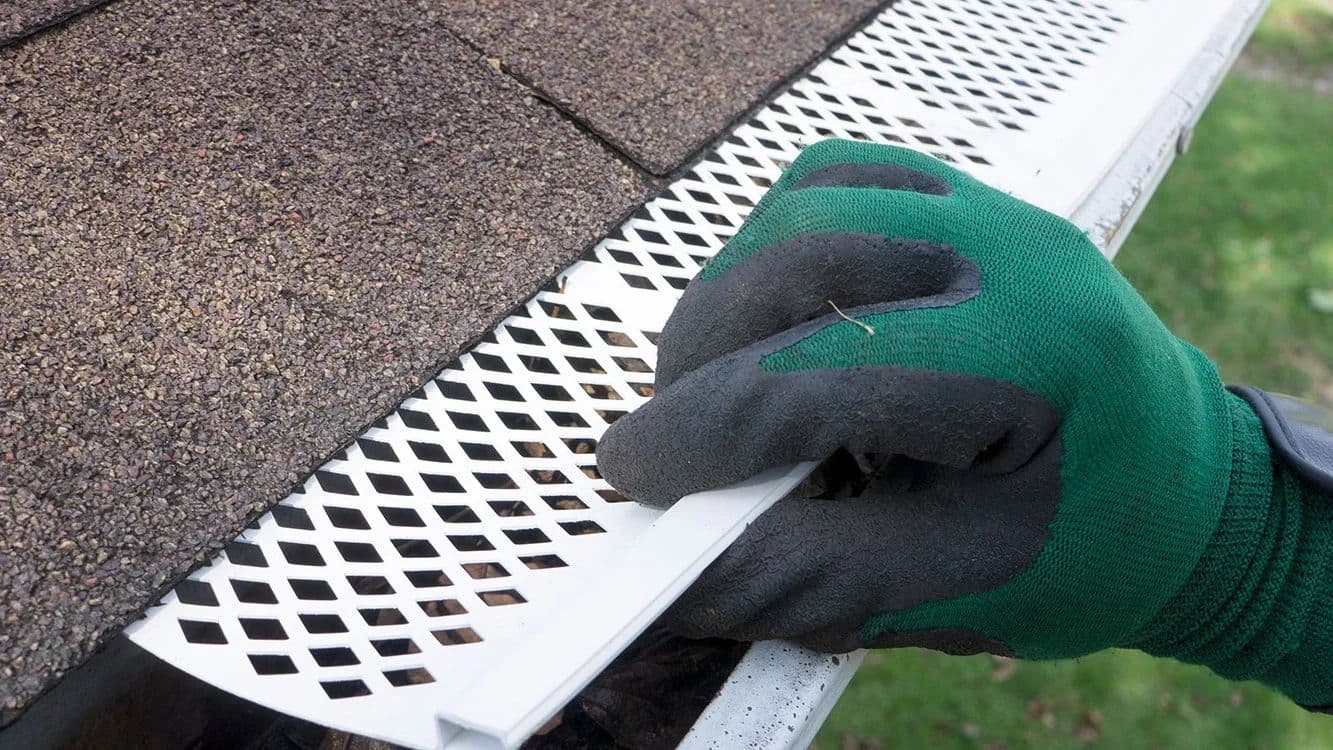
Gutter guard installation starts with clean, repaired gutters. Fix leaks, sagging, and drainage problems before covering them; a common slope guideline is 1/4 inch per 10 feet toward the downspout.
Expect eight steps: inspection, gutter cleaning, repairs, measuring, fitting the guards, water testing, cleanup, and a final walkthrough. In North Jersey, fall leaves and winter freezes make proper drainage before installation a priority.
Guards cut down on maintenance. They don’t remove it. Plan seasonal checks, review warranty terms, and choose professional gutter guard installation for steep roofs, multiple stories, or damaged gutters.

Gutter Guard Installation in North Jersey: 8 Steps
Start with a full inspection before cleaning or measuring.
Check seams, end caps, hangers, and fascia for cracks, rust, loose supports, and rot. After North Jersey winters, bent sections and gutters pulling away from the house need repair. Rotted fascia cannot properly support gutters and guards.
Also check the roof pitch, roofline layout, downspout locations, nearby trees, drainage obstructions, and ladder access.
Then clear the system to expose hidden buildup and drainage problems.
During gutter cleaning, remove leaves, pine needles, shingle grit, and fine sludge before flushing. A gutter may look clear from above but still have sediment at the outlet. Flushing helps reveal blockages left by North Jersey’s fall debris. Installing guards over that buildup can hide a drainage problem.
Flush each run toward the downspout and check that water flows freely through the elbows. Slow discharge, overflow, or standing water means more work is needed before installation.
Once the gutters are clean and draining, check their slope and hardware.
Without debris in the way, the installer can better spot loose fasteners, unsupported sections, open seams, and leaking end caps. Each run should slope toward its downspout. A common guideline is 1/4 inch per 10 feet.
Before measuring, confirm which repairs are needed based on the inspection and cleaning. These may include fascia replacement, support repairs, leak sealing, or pitch adjustments. Finish those repairs and check for proper drainage before measuring for guards.
After repairs, measure the length and width of each gutter run. Account for corners, miters, transitions, and trim allowances. Placement matters on steeper roofs, where runoff can overshoot the gutter.
Cut and fit each section according to the manufacturer’s instructions, paying close attention to corners and transitions. Sections should sit flush against the gutter’s outer edge. Keep seams tight enough to block debris without bending the gutter profile.
For guard types and costs, see the gutter guards guide.
RainDrop® includes a 20-year limited transferable manufacturer warranty with registration, but the gutters still need maintenance.
Once the guards are in place, go straight to a water test.
Run hose water over representative sections, starting farthest from the downspout, and watch how it drains. Check corners, seams, outlets, and transitions for pooling or overflow.
If water backs up or spills over, clear the blockage or correct the pitch, then test again.
If the system drains cleanly, move on to cleanup.
After the drainage test, clean up the site. Collect offcuts, screws, clips, and loose debris from gutters, walkways, driveways, and landscaping. Wear gloves and safety glasses when handling sharp scraps. Before wrapping up, remove any debris still in the gutters or downspout outlets.
Walk through the finished job to check the guards’ fit and alignment. Confirm that the drainage test showed clear flow to the downspouts, and note any final adjustments. Check that downspout extensions direct water away from the foundation.
Guards reduce maintenance; they don’t eliminate it. Ask about seasonal care, including any rinsing or brushing needed. Review the warranty paperwork, registration steps, exclusions, and the 20-year manufacturer guarantee. Gutter cleaning may still be part of your maintenance plan.
Use the final walkthrough to assess whether you can handle the project yourself or need a professional. DIY works best with sound, single-story gutters and flat, stable access. Steep roofs, multi-story access, complex rooflines, gutter damage, or fascia rot call for professional installation. Never work alone; have a helper stabilize the ladder.
| Check | DIY installation | Professional installation |
|---|---|---|
| Safe access | Best for single-story homes with flat, stable ground. | Better suited to high, steep, or uneven access. |
| Gutter condition | Check for sagging, leaks, and fascia damage first. | Repairs and reassessment can be handled before installation. |
Both approaches require preparation: cleaning, pitch checks, repairs, drainage testing, and following manufacturer instructions. If you’re unsure about access or gutter condition, discuss the project with Gutter Boys before planning gutter guard installation.
Prep comes first. Inspect the gutters and fascia, clear and flush every run, and finish repairs and pitch fixes before anyone measures for guards. Then install, test with a hose, and review the finished system. Guards won’t fix leaks, sagging, or poor pitch, so the final walkthrough is worth the time. Before you call the job done, confirm:
Fine debris can still build up on top of guards. Check the gutters during North Jersey’s fall leaf drop and after major storms, and rinse or brush as needed. Our guide to seasonal gutter guard checks covers the corners, valleys, and downspout outlets to inspect.
Gutter Boys installs RainDrop gutter guards across North Jersey, and the same prep-first sequence applies to every job. If the inspection turns up fascia rot, sagging runs, or steep or multi-story access, a gutter guard installation crew can handle the repairs and reassessment before the guards go on.
Some gutter guards can void your roof warranty, especially if installation involves lifting or altering the bottom row of shingles. Other systems are designed to protect your roof during installation.
Requirements vary by manufacturer. Before choosing guards, check how they attach and whether you need a certified installer to keep your coverage. Professional installation helps ensure the job is done correctly, while improper DIY installation can void your warranty.
No, gutter guards do not prevent ice dams. Ice dams form because of heat loss and air leakage from your attic - not your gutter system. Guards help keep debris out and water flowing, but they don’t fix those underlying problems.
To help prevent ice dams, focus on proper attic insulation and ventilation. In winter, frozen debris can also build up on gutter guards, which may make drainage worse during freeze-thaw cycles.
Your Gutter Boys installation estimate should include an inspection for sagging, cracks, loose fasteners, and pitch issues. Any needed joint and hanger repairs should be flagged before installation begins.
The estimate should also cover gutter and downspout cleaning and flushing, measurements, guard installation, a downspout check, cleanup, and a final walkthrough.
It should specify the right guard type for your roof pitch and debris load and note the 20-year manufacturer guarantee.

