


November 4, 2026
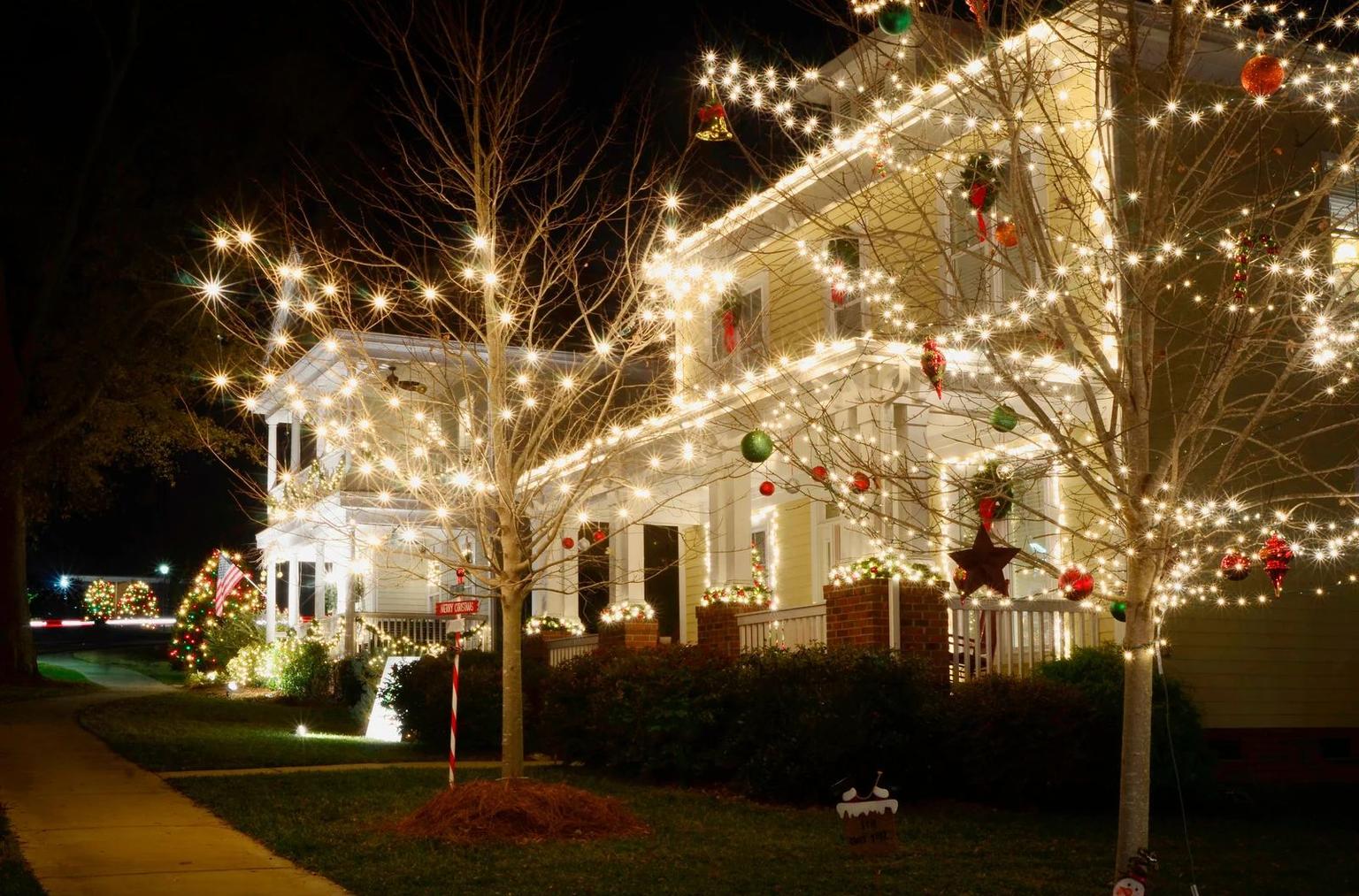
For 2026, North Jersey homeowners have four Christmas lighting trends to consider: warm white, coordinated multicolor, layered displays, and single-feature lighting. Start with the features you can see from the street, then choose a palette that suits your home.
These are style directions, not a local popularity ranking. Compare coverage, height, tree access, and power locations before comparing prices: one wrapped mature tree can require more lighting footage than a roofline. Whatever style you choose, plan for North Jersey’s wind, snow, and freeze-thaw cycles with outdoor-rated LEDs and protected connections. Leave upper-story work to a trained Christmas light installation crew.

2026 North Jersey Christmas Lighting Styles
Use the same warm-white color temperature on the house, wreaths, garland, and shrubs. Buy all strands in one batch to avoid mismatched tones.
Chris Apfelstadt recommends 2700K for a traditional warm glow.
On a two-story North Jersey colonial, warm white draws attention to the brick, stone, and trim. It creates a cleaner, more formal look than multicolor lights. This simple base also makes layered lighting easier to see when homeowners want more depth.
Decide how much to light before you start. Lighting just the house keeps the display clean and contained. Use outdoor-rated equipment, professional clips, and secured cords.
Stick with two or three colors and repeat them throughout the display. For 2026, trends favor a defined palette over a random mix.
Lighting designer Chris Apfelstadt also recommends alternating colors or lighting individual areas in one color.
An all-multicolor display feels playful. Warm-white house lighting paired with colorful accents keeps the focus on the architecture.
On a North Jersey colonial, keep red and green on shrubs, trees, or garland - not every surface.
Repeat that palette across trees and shrubs to give the display more layers.
Tree coverage affects the scope of the job more than color choice. Wrapping one mature tree can take more lighting footage than an entire roofline. Choose commercial-grade LED sets to withstand freeze-thaw cycles, and keep tree connections off the ground and protected from the weather. For help with wrapping and connection placement, see the safe tree-lighting guide.
When one color palette is consistent, layering gives it depth. Roofline lights define the silhouette, trees add height, and lower shrubs add texture. This style sits between minimal and fully decorated.
Let the street view - not yard size - guide coverage. What people can see from the street determines how much lighting each layer needs. For a North Jersey property with mature trees, focus on visible features. Use the same palette throughout so the house and yard feel like one display.
Each added layer needs more wiring and power planning. Budget for extra cords and labor when reviewing professional installation costs. Use outdoor-rated equipment and secure mounting clips. That more complete look comes with extra planning.
When layered lighting feels too busy, the modern approach is to light one feature - an architectural detail or a standout tree - instead of every surface.
Jennifer Sissom of Ryan Street Interiors says the strongest holiday displays reinforce a home’s existing lines instead of covering them.
This pared-back style uses the same color spectrum: warm white gives the focal point a clean, architectural look, while two or three colors add a nostalgic feel. Keep that palette on the single feature you’ve chosen.
That approach works best on the feature people see first from the street. On a two-story North Jersey Colonial, the front entry or columns can carry the display; on a tree-dominant lot, a mature maple or oak can.
If you choose a tree, follow the safe Christmas tree lighting guide before planning height and access.
Choose a feature you can maintain safely through winter weather. Keep power connections accessible, and leave upper-story work to trained installers. Within that setup, warm white offers a clean, classic look; two or three colors take it in a more playful direction.
Start by comparing appearance, upkeep, and installation work side by side.
On two-story colonials and tree-heavy lots, the right style is the one that fits the structure you already have.
| Display Style | Best Value | Main Limitation | Best Fit |
|---|---|---|---|
| Warm white | Classic elegance | Limited color variety | Classic brick or stone exteriors. |
| Coordinated multicolor | Playful, nostalgic character | Needs a consistent palette | Trees and shrubs repeating two or three colors. |
| Layered displays | Depth across the house and landscape | More wiring and installation work | Visible rooflines, mature trees, and shrubs. |
| Focal-point lighting | Modern look with selective coverage | Placement is critical | One standout tree or architectural feature. |
In North Jersey, wind, snow, and roof access also shape the job. Exposure, access, and winter durability matter more than style. Every display needs outdoor-rated equipment and secure connections.
Compare scope before cost. Look at installation height, tree access, coverage, and power locations - not just the look you want.
A single wrapped tree can take more footage than a roofline.
So focal-point lighting isn't always the smaller project.
Once you've chosen the areas to light and identified power locations, get a quote based on that scope. Use the Gutter Boys guide to professional Christmas light installation costs in New Jersey to see how height, access, and design complexity affect your estimate.
For 2026, choose a display that fits your home’s structure and the mood you want. In North Jersey, plan around two-story heights, mature trees, and winter conditions.
Stick to one base palette, with color as an accent. Pick your main focal point before adding more lights. Our Colonial roofline lighting ideas show how a warm white base and a few accent colors work together on a two-story home.
With the style set, match coverage to access and weather exposure, and compare scope before cost. Gutter Boys builds custom Christmas light designs around each home’s architecture.
Match color temperature, brightness, and bulb density as closely as you can. Even strands labeled “warm white” can have different shades. Don’t mix color temperatures on the same surface. If sets don’t match, place them in separate areas - for example, one along the roofline and another on landscape trees.
Mismatched sets may also differ in construction and weather rating, which can lead to maintenance problems. Professionals recommend commercial-grade lighting for consistent, reliable results.
How many lights you can safely connect depends on your circuit’s capacity. Overloading it creates safety risks. LEDs draw less power than incandescent bulbs, so they’re a better fit for large displays.
Timers or sensors can help you manage power use. If your display spans multiple areas, consult professionals to plan the layout and distribute power safely.
Keep electrical connections off the ground, with plugs facing downward so meltwater can’t pool inside. Protect exposed joints with weatherproof connection covers or electrical tape. Never bury connections in snow or mulch, where melting ice can collect.
After a storm, clear snow from connections and check that timers work properly.

