


November 2, 2026
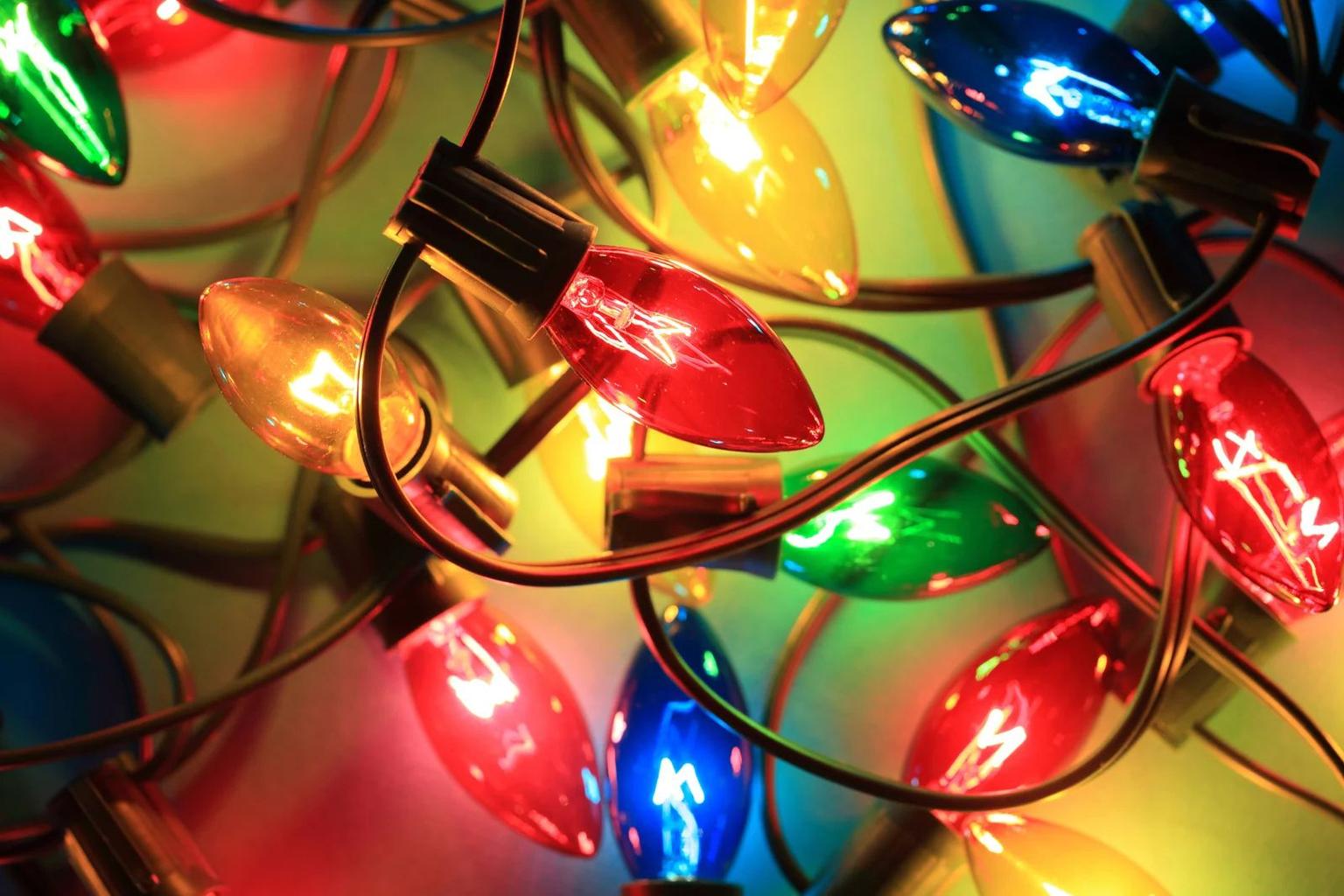
For exposed North Jersey rooflines, choose outdoor-rated LEDs; for a sheltered spot where a warm, golden glow matters most, consider incandescent lights. LEDs give off less heat and often use plastic lenses that resist breakage, while incandescent bulbs use heated filaments and fragile glass.
Your choice comes down to appearance, heat, breakage, cold-weather performance, and moisture protection. Bulb type is one factor, so check outdoor-use labels, temperature limits, cords, sockets, and plugs before installation. Warm white LEDs can come close to the incandescent glow, though they don’t match it exactly, and our Colonial roofline lighting ideas show warm white C9 LEDs in a finished layout.
North Jersey’s cold snaps, wet snow, and freeze-thaw cycles stress outdoor strings, which is why exposed eaves favor LEDs. If you’d rather stay off a steep roof, a Christmas light installation service can supply and hang commercial-grade LEDs.
Quick Comparison
| Factor | LED lights | Incandescent lights |
|---|---|---|
| Appearance | Warm white and other tones | Classic golden glow |
| Light source and heat | Diode; low heat output | Heated filament; more heat |
| Breakage | Plastic lenses resist knocks | Glass bulbs need gentle handling |
| Freezing weather | Turn on instantly in the cold | Require care when handling cold strings |
| Moisture protection | Sealed designs can limit water entry | Protection depends on socket and string design |
| Best placement | Exposed rooflines and eaves | Sheltered trim |
Before hanging either type, inspect and test each string, keep connections above standing water, and secure wiring against wind. If strings freeze in place, let them thaw - never pull them free.

LED vs. Incandescent Christmas Lights: North Jersey Winter Guide
Incandescent bulbs use a filament to produce a soft, amber glow. Homeowners and storefronts still choose them for that classic look. If the installation seems too complex, you may want to choose a Christmas light installer in North Jersey to handle the setup. Warm-white LEDs can come close, but they don’t match it exactly. That glow also comes with tradeoffs in exposed winter installations.
C9 describes bulb size and shape, not whether it’s LED or incandescent. These bulbs measure roughly 1¼ inches in diameter and 2½ inches tall, so check the package for the bulb type.
Incandescent bulbs emit more heat than light, so keep them away from dry leaves and other combustible materials. Their glass bulbs and delicate filaments can also break from drops or knocks during installation.
Older incandescent strings face added wear in North Jersey’s freeze-thaw cycles. Insulation can harden, and socket gaskets can weaken.
Before using older strings outdoors in winter, check for worn insulation, cracked sockets, and loose connections. Follow U.S. Consumer Product Safety Commission guidance: discard damaged sets and use only strings specifically labeled for outdoor use. For outdoor displays, the string’s condition matters more than its age.
LEDs produce light through a diode, not a heated filament. That difference matters on exposed rooflines, eaves, and other wet, windy spots. North Jersey’s cold snaps, wet snow, and repeated freeze-thaw cycles put outdoor strings to the test. LEDs stay cool to the touch and turn on instantly in freezing weather.
They also hold up well during handling. Plastic lenses resist damage, while sealed bulb/socket designs and tight screw connections can help keep moisture out.
Here’s how the two styles compare in winter:
| Feature | LED Christmas Lights | Incandescent Christmas Lights |
|---|---|---|
| Appearance | Warm white and other tones; faceted or smooth lenses change the look | Classic warm, golden glow |
| Light source | Diode | Heated metal filament |
| Heat output | Very little heat; cool to the touch | Gives off much more heat |
| Breakage | Durable plastic lenses resist knocks | Fragile glass bulbs need gentler handling |
| Cold-weather operation | Turns on instantly and performs well in freezing temperatures | Filaments become brittle in cold weather |
| Moisture protection | Sealed designs can help limit water entry | More prone to water entry and moisture wicking into sockets |
| Best fit | Exposed rooflines and eaves | Sheltered trim where the classic glow matters |
For outdoor runs, cords, sockets, and plugs matter just as much as the bulbs.
After choosing a bulb type, confirm that it’s rated for outdoor winter use. Both lights and extension cords should have outdoor-use labels and a recognized testing mark, such as UL, ETL, or CSA. Before installation, check the packaging for temperature limits and connector requirements.
Inspect each string for visible damage caused by moisture or cold-weather handling. Never install a damaged string, and use only manufacturer-approved replacement parts. Test undamaged strings on the ground before hanging them.
Keep plug connections above standing water and clear of snow buildup or roof runoff. Use outdoor-rated extension cords and connectors.
Secure light strings so wind won’t pull on the wiring. For attachment tips, see our guide to Christmas light clips for gutters in ice and snow.
Cold weather also affects how you should handle lights and clips.
Handle cold strings gently. Don’t tug or sharply bend stiff wiring. If lights or clips freeze in place, let them thaw before removal rather than pulling them free from an icy gutter.
Put installation safety first when conditions turn icy. If the roofline is steep or the ground is icy, stop and choose a safer installation plan. Review our DIY vs. professional holiday light installation guide before continuing.
When comparing LED vs. incandescent Christmas lights, balance a warm glow with durability. Incandescent lights offer that classic warmth and fit sheltered trim where the glow matters most. Commercial-grade LEDs suit exposed rooflines and freeze-thaw cycles, where snow, moisture, and ice matter more than looks alone.
Whichever you choose, confirm outdoor-use labels and keep cords, sockets, and plugs above standing water. On exposed rooflines, mounting matters as much as bulb type, and our guide to choosing Christmas light clips covers which clip fits each roof surface and how ice and snow affect the hold.
Gutter Boys uses commercial-grade LEDs on its Christmas light installations for winter durability.
Look for LEDs labeled warm white to match the 2700K color temperature of classic incandescent bulbs. Early LEDs could look harsh, but modern commercial-grade LEDs can give off a soft, inviting glow.
For a classic mini-light look, choose T5 or 5mm wide-angle conical LEDs. Want a vintage glow along your roofline? Go with C9 LED retrofit bulbs.
Yes - if the base size matches. LED C9 bulbs with E17 bases fit standard C9 stringers, so you can swap the bulbs without replacing the stringers.
Mixing LED and incandescent strings on the same circuit isn’t recommended because their electrical loads differ. Their color temperatures may also vary. Use separate display areas to keep each area’s look consistent.
Gutter Boys uses commercial-grade LED lighting for winter durability.
Water in light sockets can make bulbs flicker or disrupt connections. Check that all bulbs are fully seated. If flickering persists, the string may have a wiring defect and should be replaced.
To help prevent moisture problems, choose commercial-grade LED sets with a one-piece bulb-socket design or coaxial connections with screw-tight seals. These features help keep moisture, dirt, and snow away from internal parts.

